


How to Choose Hiking Boots is easier when you focus on your terrain activity, trip distance, and support needs. A well-fitting hiking boot should provide comfort, ankle support, durability, and reliable traction for the trails you plan to explore. Waterproof hiking boots are ideal for wet and muddy conditions, while breathable options are better for warm-weather hikes. Consider factors such as cushioning, weight, and outsole grip to improve stability and reduce fatigue on long treks. By choosing hiking boots that match your feet and hiking style, you can enjoy better performance, greater comfort, and a safer outdoor experience.
Estimated reading time: 6 minutes
Why Hiking Boots Matter ?
- ⭐ Explore forest trails, rocky paths, and mountain adventures with confidence.
- ⭐ Enjoy superior comfort, grip, and support on every step of your journey.
- ⭐ Ideal for carrying heavy backpacks during long hikes and outdoor expeditions.
- ⭐ Provides excellent stability on uneven, rugged, and challenging terrain.
- ⭐ Helps reduce foot fatigue, allowing you to hike longer with greater comfort.
- ⭐ Protects your feet from rocks, rough surfaces, and trail obstacles.
- ⭐ Designed to minimize blisters and discomfort during extended use.
- ⭐ Delivers reliable traction for safer movement across various trail conditions.
- ⭐ A trusted choice for serious hikers who demand durability and performance.
- ⭐ The perfect combination of protection, support, and confidence for every outdoor adventure.
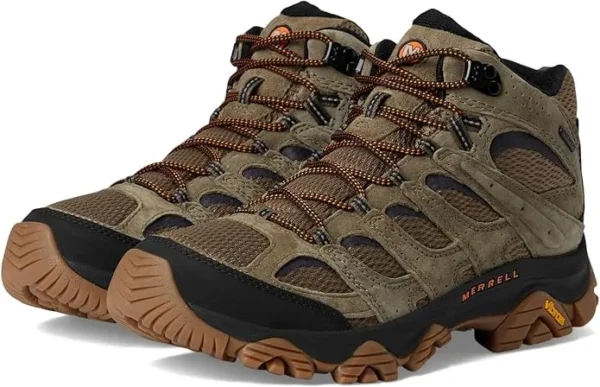
Common Mistakes First-Time Buyers Make
Many buyers approach hiking footwear incorrectly by focusing on brand, colour, or online reviews first. The proper starting point is understanding the places you plan to hike.
In a discussion among hikers, many experienced voices note that comfort outweighs brand. Some hikers prefer Merrell; others do not. The consensus is clear: there is no universally best boot.
Common mistakes:
- Buying too small a size
- Ignoring toe box width
- Assuming ankle support solves all problems
- Buying heavy boots for simple trails
- Not testing with hiking socks.
Boots should feel comfortable immediately. They may soften with use but should not hurt in the store.
Understand Your Hiking Style
Before buying, ask yourself: What kind of hiking do you actually do? Not what you imagine doing next year.
Day Hiking
If your trips are under 5 hours on maintained trails, lightweight boots or even trail shoes may be enough. You likely do not need thick leather boots.
Backpacking
Carrying 10–20 kg changes everything. Extra weight increases ankle fatigue and foot pressure. More support matters.
Rugged Trekking
Steep trails, rocks, snow, scree, and uneven descents require stronger midsoles and deeper tread.
According to research, hikers carrying 30–60 lb packs on rugged terrain performed better with stiffer boots designed for heavy support.
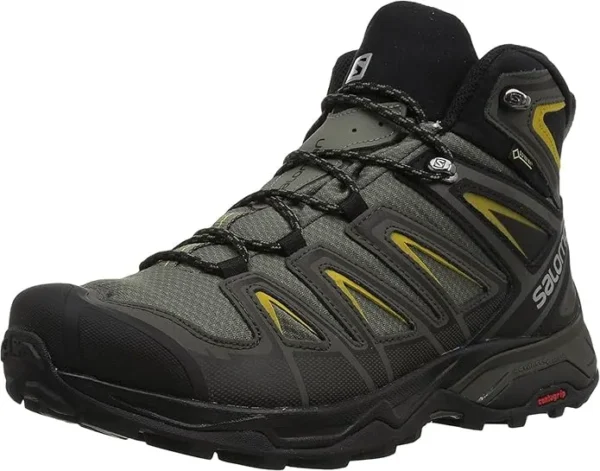
Boot Types Explained
Lightweight Boots
Best for casual hikers. These feel similar to athletic shoes but provide extra protection.
Examples:
- Salomon X Ultra 5 Mid GORE-TEX
- Merrell Moab Speed 2 Mid GTX
Midweight Boots
The all-rounder. Most hikers should start here. Good for mixed terrain.
Heavy-Duty Boots
Used for alpine routes, snow, technical trekking, and heavy packs.
Examples:
- Lowa Renegade Evo GTX Mid
- Danner Mountain 600
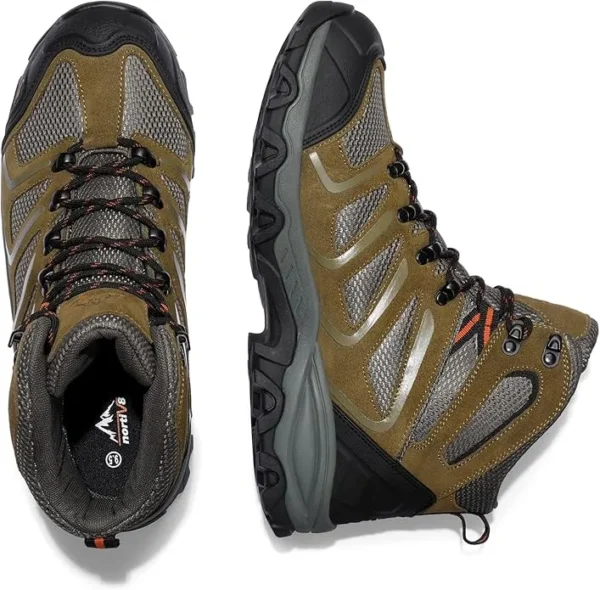
Key Features to Compare
Fit
Fit matters more than any spec sheet.
Signs of good fit:
- Heel locked in place.
- Toes can wiggle
- No rubbing at the ankle
- Enough room downhill
- Socks fit comfortably
Your foot swells during hikes, so buy with this in mind.
Materials
| Material | Pros | Cons | Note |
|---|---|---|---|
| Synthetic | Light, breathable | Shorter lifespan | Often feels better sooner |
| Leather | Durable, supportive | Heavier | Moulds over time |
| Hybrid | Balanced | Costlier | — |
Waterproofing
Waterproof boots sound ideal, but not always.
If hiking in hot climates like the Khamis Mushayt mountain areas, waterproof boots may trap heat. Breathability matters more for dry trails.
Use waterproof only when
- Wet climates
- Snow
- Stream crossings
- Winter trekking
Sole and Traction
- Look underneath the boot. Those lugs matter.
- Deep lugs = stronger grip
- Soft rubber = better traction
- Hard rubber = longer life
- The outsole decides whether you slip downhill or stay stable.
Weight Matters More Than You Think
Every gram worn on your feet adds up over distance. The common phrase in hiking is, “A pound on your feet feels like several pounds on your back.”
That sounds dramatic until you hike 15 km.
Light boots reduce fatigue. Heavy boots add stability. You balance those trade-offs based on terrain.
How to Test Before Buying
Never trust a 2-minute store walk.
Test properly:
- Wear hiking socks
- Walk uphill if possible.
- Walk downhill
- Stand for 20 minutes.
- Lace firmly
- Carry weight
A good book disappears from your awareness. If you notice discomfort in-store, it will be worse outside.
Break-In Process
Modern synthetic boots need less break-in than older leather models. Still, never take brand-new boots on a long hike.
Start with:
- Around house
- Local walk
- 3–5 km hike
- Longer trail
Blisters usually come from impatience, not bad boots.
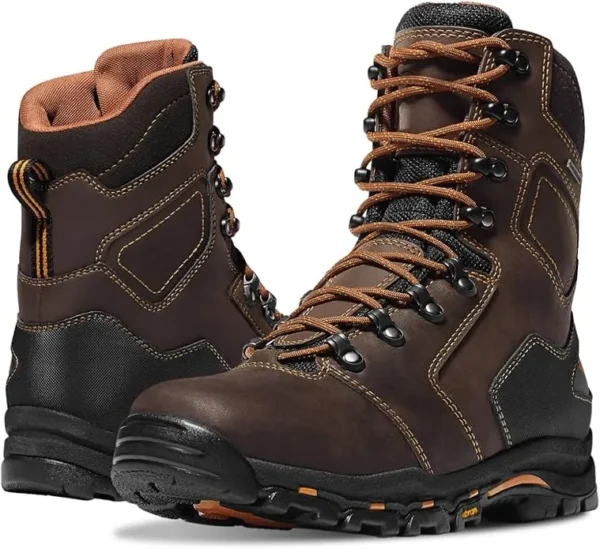
Best Brands to Consider
The Real Secret
The best hiking boot is the one you forget you’re wearing.
- Not the most famous.
- Not the most expensive.
- Your feet decide.
- That is the secret.
Conclusion
When it comes to buying hiking boots, it’s like picking a travel companion. The wrong one slows you down, irritates you, and makes every mile harder. The right one supports you quietly while you enjoy the journey. Start with your trail type, then foot shape, then features. Ignore hype. Try them on patiently. Walk, test, and compare. Good boots won’t make you a great hiker, but bad boots can ruin every hike. The wrong ones slow you down, frustrate you, and make every mile tougher. The right ones silently support you as you enjoy the journey. The path, then your foot form, then the features. Ignore hype. Be patient and try them on. Walk Test. Compare.
Good footwear doesn’t make you a terrific hiker.
Bad boots may ruin any hike, however.
FAQs
- Should hiking boots be tight or loose?
They should feel secure but allow toe movement. Tight boots cause blisters and black toenails.
- Are expensive hiking boots worth it?
Only if your hiking demands them. Many mid-priced boots perform extremely well.
- Should I size up hiking boots?
Often yes, especially for downhill trails and swelling.
- Are waterproof boots always better?
No. Dry climates often benefit from breathable non-waterproof options.
- How long do hiking boots last?
Most quality boots last 500–1000 miles, depending on terrain and care.


Leave a comment