

Why Women Need Specialized Hiking Boots
Women’s hiking boots are not merely smaller men’s boots. They are engineered to fit women’s unique foot anatomy, which differs from men’s in shape, arch, and weight distribution. As a result, wearing unisex or men’s boots can lead to discomfort, instability, and foot injuries during long hikes.
A key design feature is the narrower heel in women’s boots. Because women typically have a slimmer heel than forefoot, specialized boots prevent heel slippage—a main cause of blisters. Meanwhile, a slightly wider forefoot allows toes to spread naturally on uneven ground.
Another major difference is the lower ankle support height. Women have different ankle structures and calf shapes. So, women’s boots have ankle collars positioned lower. This design increases comfort and reduces pressure on the ankle and calf.
Weight is also crucial. Women’s hiking boots are generally lighter, reducing fatigue on long hikes. A lighter boot helps hikers conserve energy over long distances while still providing the needed protection.
Additionally, women’s hiking boots often include softer midsole cushioning. Since women typically weigh less than men, softer cushioning improves shock absorption and increases relief during long trekking sessions.
These design adjustments offer many benefits. They provide better stability, improved trail grip, fewer blisters, and greater comfort. For women hikers, choosing boots that fit their feet can enhance the outdoor experience and help prevent injuries on the trail.
Types of Hiking Boots for Women
Choosing the right type depends on terrain, distance, and load weight.
Lightweight Hiking Shoes
Choosing the right hiking boots is important for comfort, safety, and performance on the trail. Women’s hiking boots fall into different categories. Each type suits certain terrains, distances, and backpacking loads. Knowing these types helps you pick the best footwear for outdoor adventures.
The main types include lightweight hiking shoes, mid-cut hiking boots, and backpacking boots. Each offers a different level of support, protection, and durability, depending on the hike’s demands.
For short hikes or casual walks, lightweight hiking shoes offer superior flexibility and traction compared to regular sneakers. These suit hikers prioritize speed and comfort over heavy support.
Mid-cut hiking boots are the most flexible option and are popular for weekend hikes. They balance ankle support and flexibility. This makes them suitable for moderate trails and day hikes.
For serious hikers planning multi-day trips or carrying heavy backpacks, backpacking boots work best. These boots use strong materials, reinforced soles, and high ankle support. This lets them handle rough trails and heavy loads.
Terrain matters: Rocky Mountains, muddy forests, snowy trails, and deserts require different grip, waterproofing, and insulation. Modern boots often have waterproof membranes, aggressive outsoles, and moisture-wicking fabrics to keep feet dry and comfortable.
The right hiking boot will boost performance and lower injury risk, such as ankle sprains and foot fatigue. Whether for a nature walk or a multi-day trek, picking the right boots ensures a safer, more enjoyable hike.
Lightweight hiking shoes are great for women who enjoy day hikes, light trails, and warm-weather adventures. These shoes combine the comfort of running shoes with the durability and traction needed for hiking. Their flexible construction attracts hikers who want speed and nimbleness on the trail.
One of the biggest advantages of lightweight hiking shoes is their breathability. Most models are made from mesh fabrics and lightweight synthetic materials that allow air to circulate. This keeps feet cool during hot-weather hikes and helps reduce sweat buildup, which can cause blisters.
Another major advantage is their lightness. Traditional boots can feel cumbersome, especially on short hikes. Lightweight hiking shoes offer minimal weight without sacrificing protection against rocks, dirt, or uneven ground.
These shoes also offer excellent flexibility. Your feet can move freely when walking or climbing. This flexibility improves comfort and helps hikers keep balance on less demanding trails.
However, lightweight hiking shoes have limitations. Their low-cut design lacks ankle support, which is necessary for rocky terrain, and they are less suitable for carrying heavy loads.
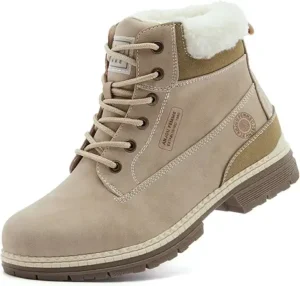
Despite drawbacks, lightweight hiking shoes appeal to many for comfort, ease, and versatility. They are ideal for beginners, travelers, and hikers seeking speed on stable paths.
For women who prefer comfort, breathability, and mobility, lightweight hiking shoes are one of the best footwear choices for everyday hiking adventures.
ANJOUFEMME Work Hiking Boots for Women Waterproof – Womens Outdoor Ankle Boots Lightweight Snow Winter Boots for Trekking Walking
Mid-Cut Hiking Boots
Mid-cut hiking boots are popular for women seeking balanced support, comfort, and flexibility. Suited for moderate trails, they excel on weekend or long-day hikes that require ankle stability.
The defining trait of mid-cut boots is medium ankle height, offering more support than low-cut shoes but less bulk than backpacking boots. This helps protect from twists on rough terrain, such as uneven paths or forest trails.
Another benefit is balanced weight. They are heavier than lightweight shoes but remain comfortable for long hikes. Modern materials reduce weight yet maintain durability.
Mid-cut boots protect from dirt, debris, and small rocks. The higher collar keeps debris out, which helps on dusty or gravel trails.
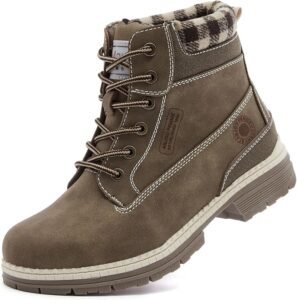
Many models use waterproof membranes to keep feet dry in wet conditions and allow ventilation to prevent moisture buildup.
The main downside is extra weight compared to trail shoes, and some require a brief break-in. Overall, mid-cut hiking boots are a strong choice for women who need ankle support, durable construction, and flexible performance across a range of trail conditions.
Work Hiking Boots for Women Waterproof – Womens Outdoor Ankle Boots Lightweight Snow Winter Boots for Trekking Walking
Backpacking Boots
Backpacking boots are designed for serious hikers who plan to carry heavy loads or hike along challenging terrain for multiple days. These boots offer the highest level of support, durability, and protection among hiking footwear.
The critical feature is robust ankle support: high collars stabilize the foot and deter injuries when bearing heavy packs, especially on rocky or steep trails.
Backpacking boots are also built with sturdy materials such as thick leather, reinforced rubber outsoles, and sturdy midsoles. These materials help the boots withstand harsh outdoor conditions and deliver long-term performance for frequent hikers.
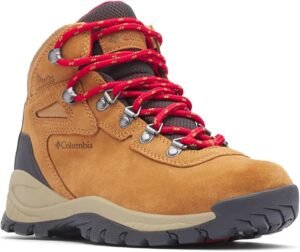
A further advantage is traction. Deep tread patterns improve grip on slick rocks, mud, and loose gravel, ensuring stability in tough environments.
Because of their strength, backpacking boots are heavier than another footwear and often need a break-in period. Hikers should wear them on shorter walks to mold the fit.
Even with extra weight, backpacking boots are needed for long treks and mountain hikes. They provide support for heavy gear and protect feet from tough ground and harsh weather.
For women planning multi-day hiking trips or challenging outdoor expeditions, backpacking boots provide the strength and stability needed for safe, comfortable trekking.
Columbia womens Newton Ridge Plus Waterproof Amped
Best Materials for Women’s Hiking Boots
Upper Materials
| Material | Benefits | Best For |
|---|---|---|
| Full-Grain Leather | Durable, water-resistant | Rugged terrain |
| Nubuck Leather | Flexible, abrasion-resistant | Backpacking |
| Synthetic | Lightweight, quick-drying | Day hiking |
| Mesh Panels | Breathable | Hot climates |
Waterproofing Options
Waterproof hiking boots are ideal for rainy climates and stream crossings.
Common waterproof technologies include:
Gore-Tex membranes
Proprietary waterproof linings
Treated leather uppers
Tip: If hiking in dry, hot climates, breathable non-waterproof boots may be more comfortable.
Traction and Outsole Technology
Traction determines your safety on rocky, muddy, or snowy trails.
Look for:
Deep lugs (4–6 mm)
Rubber outsoles
Multi-directional grip pattern
Heel brake for downhill stability
High-quality outsoles prevent slips and improve performance on technical terrain.
Cushioning & Midsole Support
The midsole affects shock absorption and long-term comfort.
Common materials:
EVA Foam – Lightweight, cushioned
Polyurethane (PU) – Durable, supportive
Dual-density midsoles – Balanced comfort and stability
If you hike long distances, choose boots with stronger midsole support to prevent foot fatigue.
Proper Fit Guide for Women’s Hiking Boots
Wearing the wrong size is the #1 cause of blisters.
How to Ensure Proper Fit:
Try boots in the afternoon (feet swell during the day)
Wear hiking socks while fitting
Leave a thumb’s width space at the toe
Heel should not lift while walking
Toes should not hit the front while descending
If ordering online, check return policies and sizing charts carefully.
How to Break in Hiking Boots
Never take brand-new boots on a long hike.
Break-in Steps:
Wear at home for short periods.
Take short walks.
Gradually increase distance.
Test on uneven terrain before major trips.
Leather boots may require more break-in time than synthetic models.
Best Hiking Boots for Women by Use Case
Best for Day Hiking
Lightweight synthetic boots with breathable mesh and moderate cushioning.
Best for Mountain Trails
Mid-cut waterproof boots with aggressive traction.
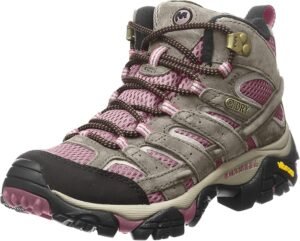
Best for Backpacking
Durable leather boots with reinforced toe caps and high ankle support.
Best for Winter Hiking
Insulated waterproof boots with deep lugs.
Caring for Women’s Hiking Boots
Proper maintenance extends lifespan significantly.
Cleaning:
Remove dirt after every hike
Use mild soap and soft brush
Air dry naturally (no heat)
Waterproof Maintenance:
Reapply waterproof treatment as needed
Use leather conditioner for leather boots
Storage:
Store in cool, dry place
Avoid damp environments
Common Mistakes When Buying Hiking Boots
Choosing style over function
Buying too small
Ignoring terrain type
Skipping break-in process
Not considering climate
Avoid these mistakes to ensure maximum comfort and durability.
Signs You Need New Hiking Boots
Worn-out outsole lugs
Cracked midsoles
Loss of waterproofing
Decreased cushioning
Heel slippage
Most hiking boots last between 500–1,000 miles depending on usage and terrain.
Frequently Asked Questions
Are hiking boots better than hiking shoes?
For rough terrain and heavy loads, yes. For casual trails, shoes may be enough.
Should women size up in hiking boots?
Half-size up is often recommended for downhill comfort.
Are waterproof boots worth it?
If hiking in wet climates, absolutely. Otherwise, breathable boots may be better.
How heavy should hiking boots be?
Lightweight boots typically weigh 1.5–2.5 lbs per pair.
Final Thoughts
Choosing the right hiking boots for women is an investment in safety, comfort, and performance. The perfect pair depends on your hiking style, terrain, and climate.
Focus on:
Proper fit
Support level
Waterproofing needs
Traction quality
Durability
The right hiking boots will help you explore confidently, prevent injuries, and enjoy every step of your adventure.
Whether you’re heading to mountain peaks, forest trails, or desert paths, well-chosen hiking boots make all the difference.
Now lace up, step outside, and let the adventure begin. 🥾