
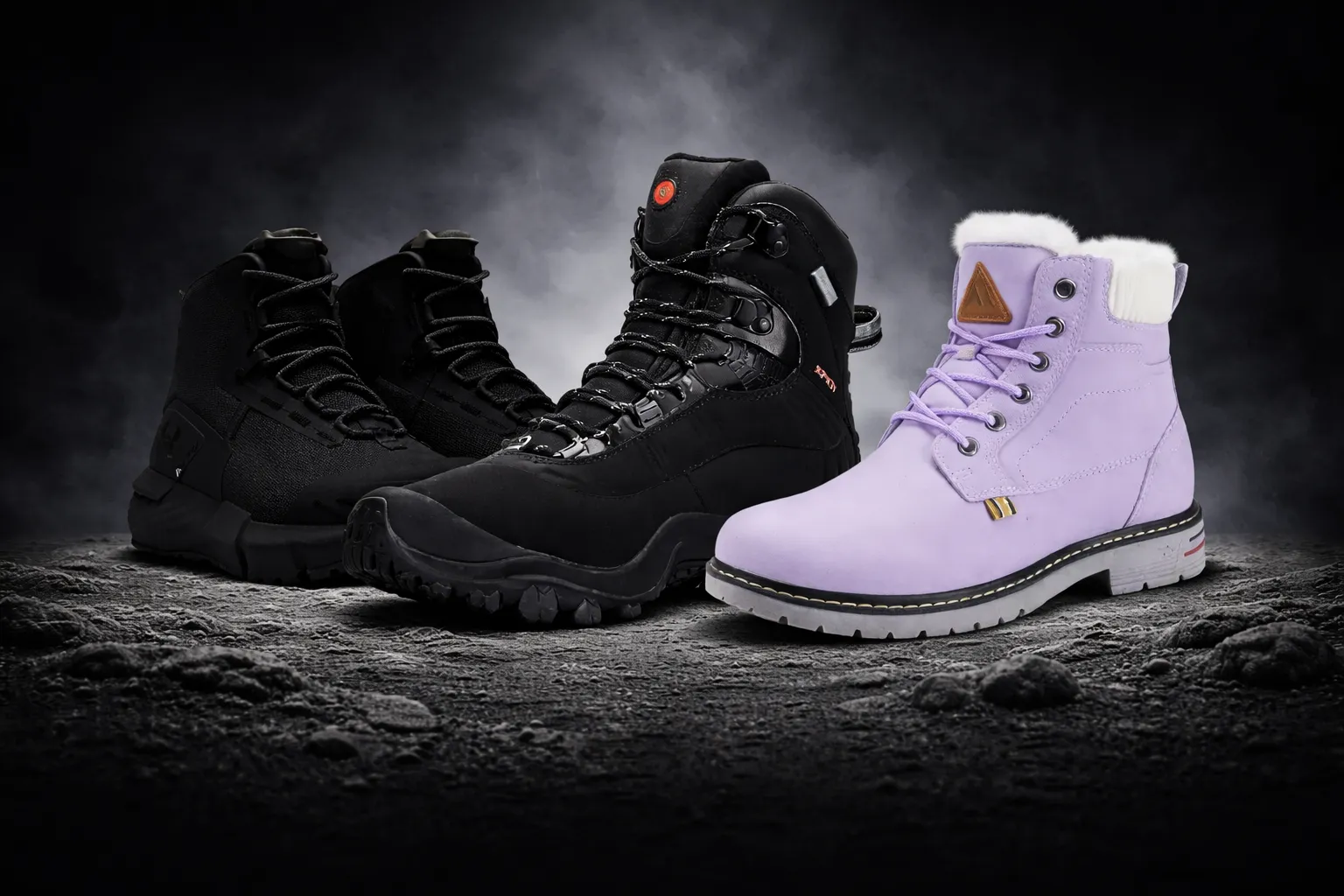
Insulated Boots Review: I Wore Six Pairs Through a Brutal Winter — Here's the Honest Truth.t Here
I’ve spent the last two winters cycling through insulated boots, partly because I’m picky and partly because I genuinely needed to find what works. I live somewhere cold (the kind of cold that makes you question your life choices in February), and I do enough outdoor stuff — golf in shoulder seasons, walking, occasional yard work — that a single pair never quite covers everything.
What I Actually Looked For
Before getting into the picks, here’s the short version of what matters when you’re shopping for insulated boots. Skip this if you already know your way around insulation grams.
- Insulation weight (grams). This is the number you keep seeing — 200g, 400g, 800g, 1200g. It refers to grams per square meter of insulation material, not the total weight of fluff inside the boot. Higher number = warmer, but also bulkier and sweatier when you’re moving. 200g handles cool weather, 400g is your everyday winter, 800g is for sitting still in serious cold, and 1000g+ is for treestands, ice fishing, and “why am I outside right now” weather.
- Waterproofing. Wet feet get cold fast. Look for sealed seams, a waterproof membrane (Gore-Tex, DryVent, KeenDry), or full rubber shells.
- Fit and sock room. A boot that’s too snug kills warmth because your circulation drops. You want a little wiggle room and space for a thicker sock.
- Sole and traction. Soft, flexible rubber grips ice better than hard rubber. Lugs help in snow.
- Weight on your feet. A pound on your feet is supposedly equivalent to five on your back. After a long day, you’ll feel it.
Leave a comment